Author: Erik Robinson

New hope for treating a rare genetic disorder

New hope for treating a rare genetic disorder

By Erik Robinson March 29, 2017
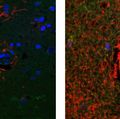
Research published online in the journal Endocrinology found that a small synthetic molecule initially developed to lower cholesterol may slow or stop the devastating progression of the neurodegenerative disease adrenoleukodystrophy, or ALD. The study was conducted in a mouse model, but planning is under way for a human clinical trial.

Stem cell treatment for stroke shows promising results, study finds

Stem cell treatment for stroke shows promising results, study finds

By Erik Robinson March 17, 2017
Stroke medication currently available must be given within three hours to have the maximum benefit, but many patients do not make it to the hospital in time to receive it. A newly developed potential treatment involving the use of stem cells to promote brain recovery may greatly extend this window.
New genome-mapping technique opens new avenues for precision medicine

New genome-mapping technique opens new avenues for precision medicine

By Erik Robinson January 30, 2017
OHSU scientists have uncovered a method for quickly and efficiently mapping the genome of single cells within the body. Their findings, published Jan. 30 in the journal Nature Methods, clears the way for a significant advance in precision medicine, including cancer and many other disease areas.
A fresh outlook on life

A fresh outlook on life

By Erik Robinson December 29, 2016
A local woman can now to look her husband and two grown children in the eye after undergoing a successful surgery to correct a rare and debilitating spinal condition known as dropped head syndrome.
New research provides key insight about mitochondrial replacement therapy

New research provides key insight about mitochondrial replacement therapy

By Erik Robinson November 30, 2016
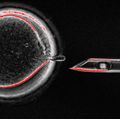
A new discovery may unlock the answer to a vexing scientific question: How to conduct mitochondrial replacement therapy, a new gene-therapy technique, in such a way that safely prevents the transmission of harmful mitochondrial gene mutations from mothers to their children.
See more stories