Cholesterol-lowering drugs help prevent heart attacks and strokes in adults with cardiovascular risk factors such as high cholesterol, high blood pressure, diabetes and smoking, but have not yet had a heart attack or stroke, according to a large-scale analysis of clinical trial data.
Scientists for the first time have documented a newly understood pathway for transmitting signals within the brain, according research published online Nov. 9 in the journal Nature.
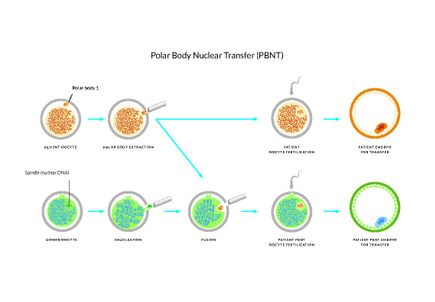
Families struggling with infertility or a genetic predisposition for debilitating mitochondrial diseases may someday benefit from a new breakthrough led by scientists at OHSU and the Salk Institute for Biological Studies.
OHSU research published in the Journal of Clinical Oncology shows that patients with lung cancer who have symptoms of depression have overall lower survival rates than those without depression symptoms.
As we age, as many as 10 to 30 percent of us spontaneously carry mutations in our blood cells that put us at risk for blood cancers and heart disease. Researchers at OHSU are leading a unique study for women aged 65 and older called WEAR, or Women.
The U.S. Department of Defense has awarded a contract to University of Pittsburgh in collaboration with OHSU and University of Colorado that could lead to $90 million in research over the next decade to improve trauma care for both civilians and military personnel.
Not all states allow nurse practitioners to make a patient’s treatment wishes part of their medical record, yet a six-year study concludes that they can improve seriously ill patients’ access to advance-care planning. Nurse practitioners often serve as the primary care provider or a member of the team caring for patients in the last months of their lives when they are most likely to seek end-of-life treatment counseling.
For 11 years, TTBD has hosted an award ceremony to celebrate university accomplishments and recognize OHSU employees who’ve made significant contributions to innovation, entrepreneurship, industry partnership, patenting, and technology commercialization. Following are highlights from last night’s 2016 TTBD Awards Ceremony.
New research conducted at the OHSU Center for Policy and Research in Emergency Medicine uncovered disparities in timely access to emergency trauma care in rural versus urban communities.