A first-of-its-kind vaccine technology platform developed by renowned scientists at OHSU in Portland, Oregon, has been acquired by Vir Biotechnology, a San Francisco-based biotech startup backed by leading industry investor ARCH Venture Partners and the Bill & Melinda Gates Foundation, a leading funder of global health initiatives.
An OHSU and Oregon State University study finds aspirin may slow the spread of some types of colon and pancreatic cancer cells, Their findings are published in the American Journal of Physiology—Cell Physiology.
Conversations centered on health care are increasingly taking place on social media. For example, doctors, patients, advocates, the FDA and members of the pharmaceutical industry frequently interact on Twitter, discussing new drugs and devices.
OHSU research suggests an avenue for developing treatments for chronic pain that harness the medicinal properties of cannabis while minimizing the threat of addiction.
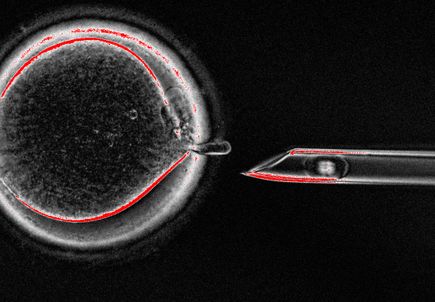
A new discovery may unlock the answer to a vexing scientific question: How to conduct mitochondrial replacement therapy, a new gene-therapy technique, in such a way that safely prevents the transmission of harmful mitochondrial gene mutations from mothers to their children.
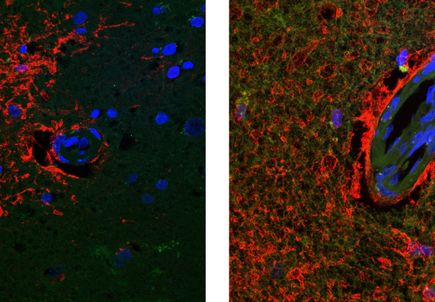
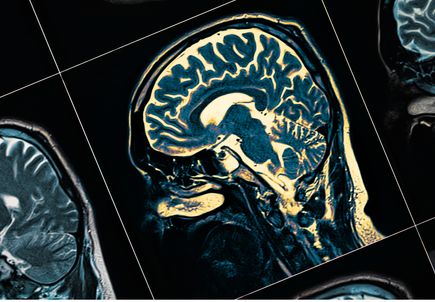
When the possibility of death is the only alternative, most people will opt for the most aggressive cancer treatments possible. The problem is, a new study by researchers at OHSU suggests that a robust combination of therapies that are effective in targeting the cancer can lead to harmful cognitive effects in the brain if the patient survives.
OHSU researcher Sudarshan Anand, Ph.D., has a contemporary analogy to describe microRNA: “I sometimes compare MicroRNA to tweets — they’re short, transient and constantly changing.”
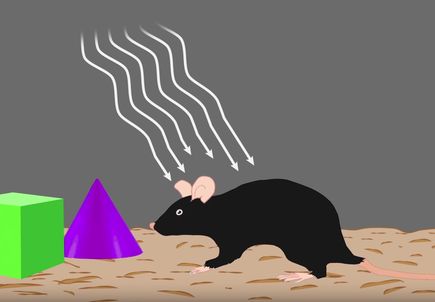
Long-term exposure to cosmic radiation could alter the brain and change behavior in astronauts bound for Mars, according to new research led by scientists at OHSU in Portland, Oregon.