OHSU doctors and scientists working to address the opioid epidemic which has claimed thousands of lives and resulted in a doubling of the number of people who reported heroin addiction in a single decade, from 2003 to 2013.
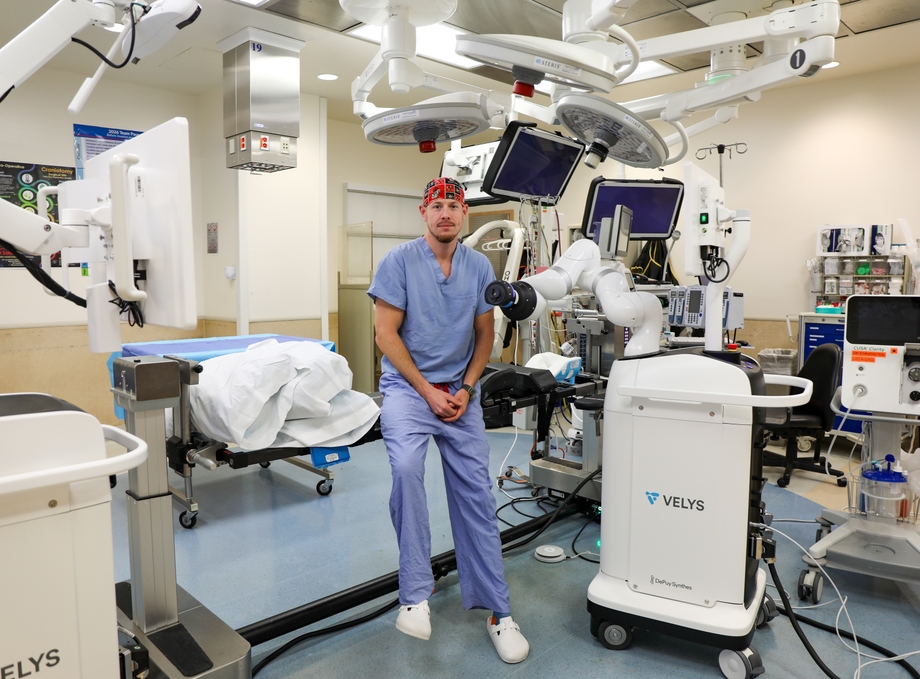
Nearly everyone has interacted with a doctor at some point in their lives. March 30, National Doctors’ Day, is a time to thank those who work to keep us healthy and have dedicated themselves to serving their communities.
Research published online in the journal Endocrinology found that a small synthetic molecule initially developed to lower cholesterol may slow or stop the devastating progression of the neurodegenerative disease adrenoleukodystrophy, or ALD. The study was conducted in a mouse model, but planning is under way for a human clinical trial.
Research has shown can help lower the heart and respiratory rates in premature babies, as well as increase their oxygen level, improve sucking response and weight gain, decrease stress responses and aid in sleep--all of which support a child’s development.
Surgeons at OHSU Casey Eye Institute are using a new technique called Halo graft, a patch made of donated corneal tissue, to perform tube shunt surgeries that prevent vision loss in glaucoma patients.
Kent Thornburg, Ph.D., has taken an unconventional approach to fighting chronic disease. On any given day, you can find him evangelizing this tenet: your risk for chronic diseases such as heart disease was determined before you were even born. As part of American Diabetes Association Alert Day and National Nutrition Month, read what he has to say about the biggest threats to good nutrition and heart health.
Stroke medication currently available must be given within three hours to have the maximum benefit, but many patients do not make it to the hospital in time to receive it. A newly developed potential treatment involving the use of stem cells to promote brain recovery may greatly extend this window.
OHSU's new Road Crew, a 15-person snow removal team organized in January 2016, helped keep Marquam Hill accessible throughout this winter's worst storms.
Oregonians with serious illness or frailty are more likely to have their end-of-life care wishes honored, less likely to be hospitalized, and more likely to use home hospice services than the rest of the country.
A unique OHSU psychiatric program supports immigrants and refugees, serving approximately 1,100 people in the Portland area, including 200 survivors of torture from countries including Iraq, Iran, Somalia, Ethiopia, Bosnia and Syria.