Gene editing research highlighted in November OHSU Science Café series
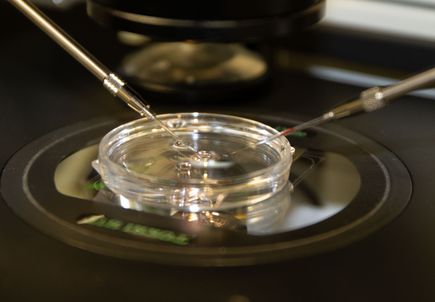
20220804 Embryo Cell Therapy
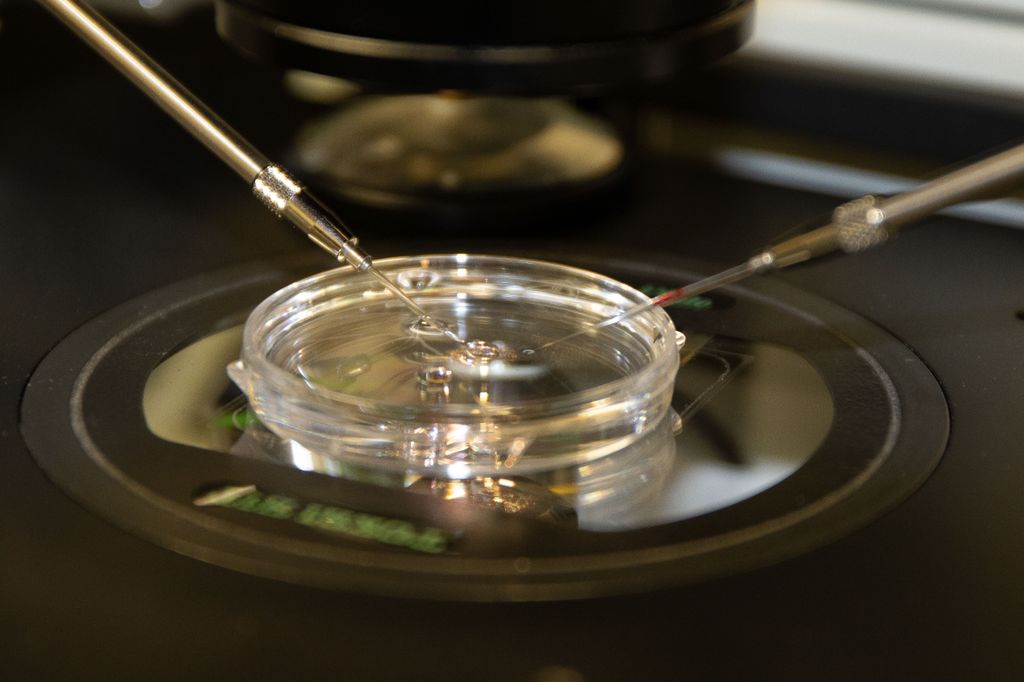
OHSU researchers will speak on the impact of gene editing during a series of Science Cafe talks hosted by Oregon Health & Science University's Oregon National Primate Center. (OHSU/Christine Torres Hicks)
CALENDAR ALERT
WHAT:
Learn about the impact of gene editing on pregnancy, disease and more through a series of virtual Science Café talks hosted by Oregon Health & Science University’s Oregon National Primate Research Center.
WHEN:
6 to 7:15 p.m., Tuesdays, Nov. 8 to 29

Lisa Vrooman, Ph.D. (OHSU)
Nov. 8: Fetal Health and Assisted Reproductive Technologies
- Research in mice has shown in vitro-fertilized embryos develop placentas differently, which can increase pregnancy complication risks.
- Lisa Vrooman, Ph.D., assistant professor in the Division of Reproductive & Developmental Sciences at OHSU’s Oregon National Primate Research Center

Carol Hanna, Ph.D. (OHSU)
Nov. 15: Using Precision Medicine to Understand and Treat Genetic Diseases
- Recent developments in gene editing and gene therapy are revolutionizing how scientists and health care providers understand and treat a wide range of genetic diseases.
- Carol Hanna, Ph.D., research assistant professor in the Division of Reproductive and Developmental Sciences and director of the Assisted Reproductive Technology (ART) Core at OHSU’s Oregon National Primate Research Center
- Jon Hennebold, Ph.D., professor and interim director of OHSU’s Oregon National Primate Research Center, where he also serves as chief of the Division of Reproductive & Developmental Sciences

Jon Hennebold, Ph.D. (OHSU)
Nov. 22: Ethical Considerations of Human Genome Editing
- Benefits, limitations and ethical considerations of human genome editing using the CRISPR/Cas9 gene-editing technology.
- Paula Amato, M.D., professor of obstetrics and gynecology and director of the Division of Reproductive Endocrinology and Infertility in OHSU School of Medicine

Paula Amato, M.D. (OHSU)
Nov. 29: DNA Is Not Destiny: How Our Environments Affect Our Epigenetics
- Environmental factors such as stress, diet and pollution can change how genes behave and lead to disease.
- Caren Weinhouse, Ph.D., M.P.H., assistant professor in OHSU’s Oregon Institute for Occupational Health Sciences

Caren Weinhouse, Ph.D. (OHSU)
WHERE:
All Science Café talks will be live-streamed online.
DETAILS:
Viewers should register and submit questions in advance by sending an email to onprcoutreach@ohsu.edu.