Fentanyl is fueling a surging public health crisis in Oregon
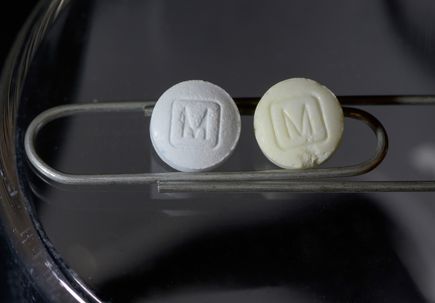
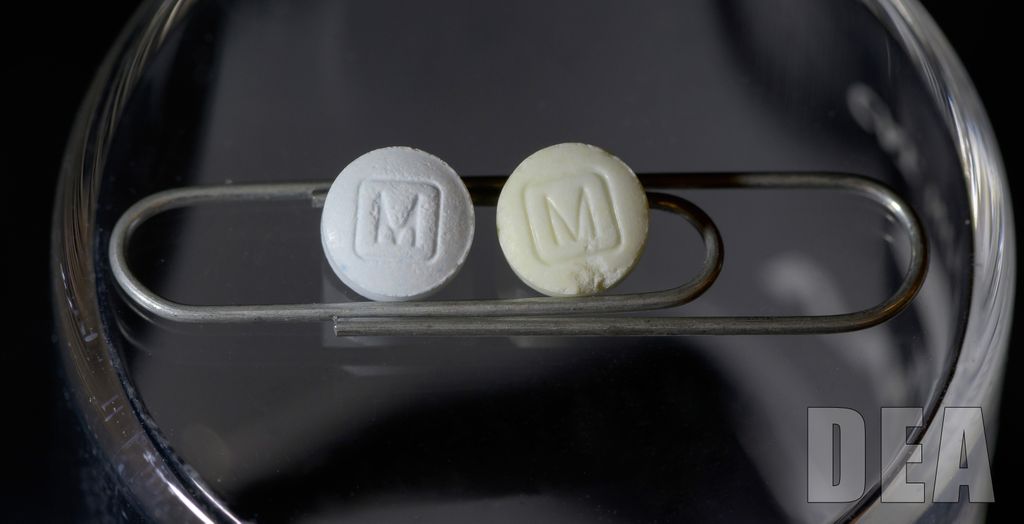
Too many Oregon families, including those of two Portland high school students earlier this month, grieve the loss of their loved ones to illicit fentanyl. Illicit fentanyl, a synthetic opioid, is 50 to 100 times more potent than heroin, cheaper and easier to manufacture and more addictive. It also carries a greater risk of overdose, especially for young people with no experience using opioids.
Last year, Oregon overdose deaths increased 41%, compared to a 16% increase nationwide, according to the National Center for Health Statistics. This coincides with a surge of illicit fentanyl in Oregon. Counterfeit fentanyl tablets manufactured in clandestine labs circulate through drug trafficking routes that target adolescents experimenting with pills and people who regularly use drugs. Illicit fentanyl masquerades as prescription opioid pills, such as “Blues” or “Perc-30s” and contaminates methamphetamine and heroin supplies. It is replacing heroin as the most used illicit opioid. Experience in other parts of the U.S. is similar: fentanyl overdose is now the leading cause of death in young adults, as an analysis of national data by advocacy group Families Against Fentanyl shows.
Oregon peer recovery specialists who directly support people who use drugs in rural communities previously responded to about 5 nonfatal overdose reports per month. Several told me recently that they now encounter 40 to 50 per month. Opioid overdoses can be reversed with naloxone rescue kits. One kit can reverse a heroin overdose. Fentanyl overdoses, however, can require multiple naloxone doses for resuscitation, quickly depleting supplies for highly-affected counties.
Oregonians can respond to the overdose crisis that threatens the lives of our loved ones. Steps to prevent more people from dying in the coming months include:
- Educating Oregonians about fentanyl risks: Risk taking is a normal part of teen development. Yet, pills purchased through the internet or from friends carry unique risks. Counterfeit pills containing fentanyl are unforgiving; they can lead to fatal overdose at first exposure. Groups like Song for Charlie, a coalition of parents who have lost children to fentanyl, and Oregon’s addiction treatment and harm reduction providers must continue to speak publicly to whoever will listen. School districts can integrate evidence-based prevention programs like the Strengthening Families Program and the Life Skills Training program to help teenagers and parents build skills that foster healthy life choices and decrease drug use. Public health messages should also focus on people who regularly use drugs and bear the greatest overdose risk.
- Expanding naloxone distribution. The Save Lives Oregon Clearinghouse coalition provides free naloxone to community-based organizations serving people at risk of overdose. We must alert more organizations to this resource to expand naloxone distribution to communities throughout Oregon. Health care providers should ask all adolescent and adult patients for substance use and educate patients and families about naloxone. Naloxone should be readily available through all retail pharmacies and distributed to people who may be at risk for overdose by first responders, law enforcement, community social service workers and community-based organizations.
- Developing a statewide rapid response system in partnership with local communities: Oregon has limited capacity for real-time tracking of nonfatal overdoses – the strongest predictor of future fatal overdose. The state needs an early overdose detection system and funding for Oregon Health Authority to develop infrastructure to rapidly identify overdose clusters and support local responses. Real-time reporting of all overdoses by medical examiners, emergency medical systems and community-based outreach organizations to public health could detect real-time changes in overdose patterns. This information could inform Oregon’s network of community-based peer organizations and local public health entities who are skilled at timely outreach and preventive services delivery to local overdose survivors and their families.
- Supporting supply reduction: The illicit fentanyl challenge requires sophisticated approaches to slow fentanyl’s inflow into Oregon. We can’t compete with the drug cartels without law enforcement. Oregon’s drug interdiction efforts decreased methamphetamine labs in the 1990s. Last week’s seizure of 150,000 tablets of illicitly manufactured fentanyl pills illustrates the depth of Oregon’s supply challenge. Coexistence of supply reduction, demand reduction and harm reduction efforts is possible and required to save lives.
- Support treatment expansion. Substance use disorder treatment works, but Oregonians’ access is among the worst in the country. Integration of addiction treatment expertise into health care settings will help, but Oregon also needs more residential and outpatient treatment capacity to meet the fentanyl challenge. Measure 110 and other state initiatives provide an opportunity to expand treatment access at a time when it’s most needed.
I am confident that Oregon’s “can do” spirit of practical innovation in the face of formidable public health challenges can meet the demands of the fentanyl overdose epidemic. We must act quickly to mitigate the surge in preventable deaths.
Todd Korthuis, MD, MPH, is a professor of medicine and public health and heads the Section of Addiction Medicine at Oregon Health & Science University.
This viewpoint was originally published March 13, 2022, by The Oregonian.